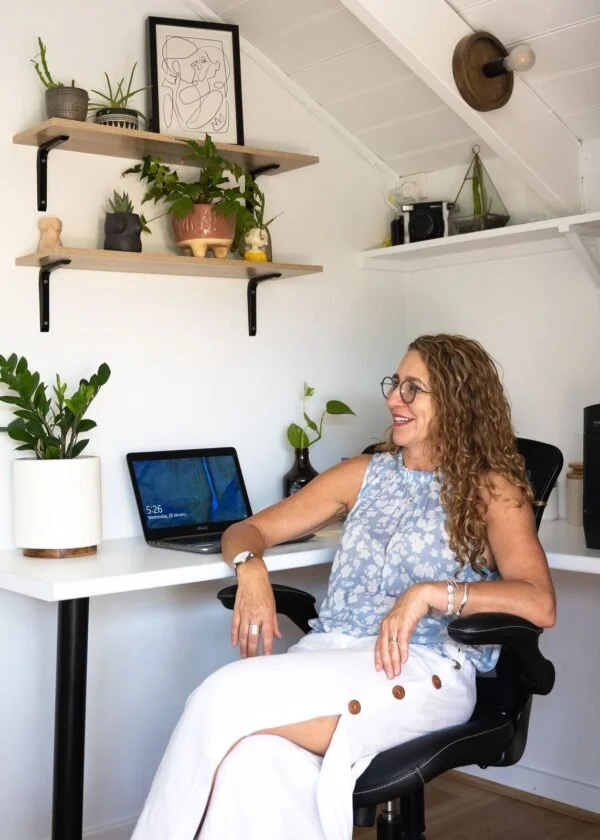
About Me
I’m a Nurse Practitioner, Sexologist, Tedx Speaker and founder of Restorative Health Clinic and Make Hard Easy, specialising in men’s sexual health, prostate cancer rehabilitation and evidence-based sexual wellbeing education. For more than 20 years I’ve helped individuals, couples, clinicians and organisations navigate some of the most complex and least discussed aspects of human health.
My unique combination of medical and sexology qualifications allows me to integrate physical, hormonal, psychological and relational factors into a truly holistic approach to sexual health. I work extensively with men following prostate and bladder cancer treatment, and support those experiencing erectile dysfunction, premature ejaculation, Peyronie’s disease, low libido and other intimate health concerns.
Melissa Hadley Barrett
Director/Nurse Practitioner | Sexology
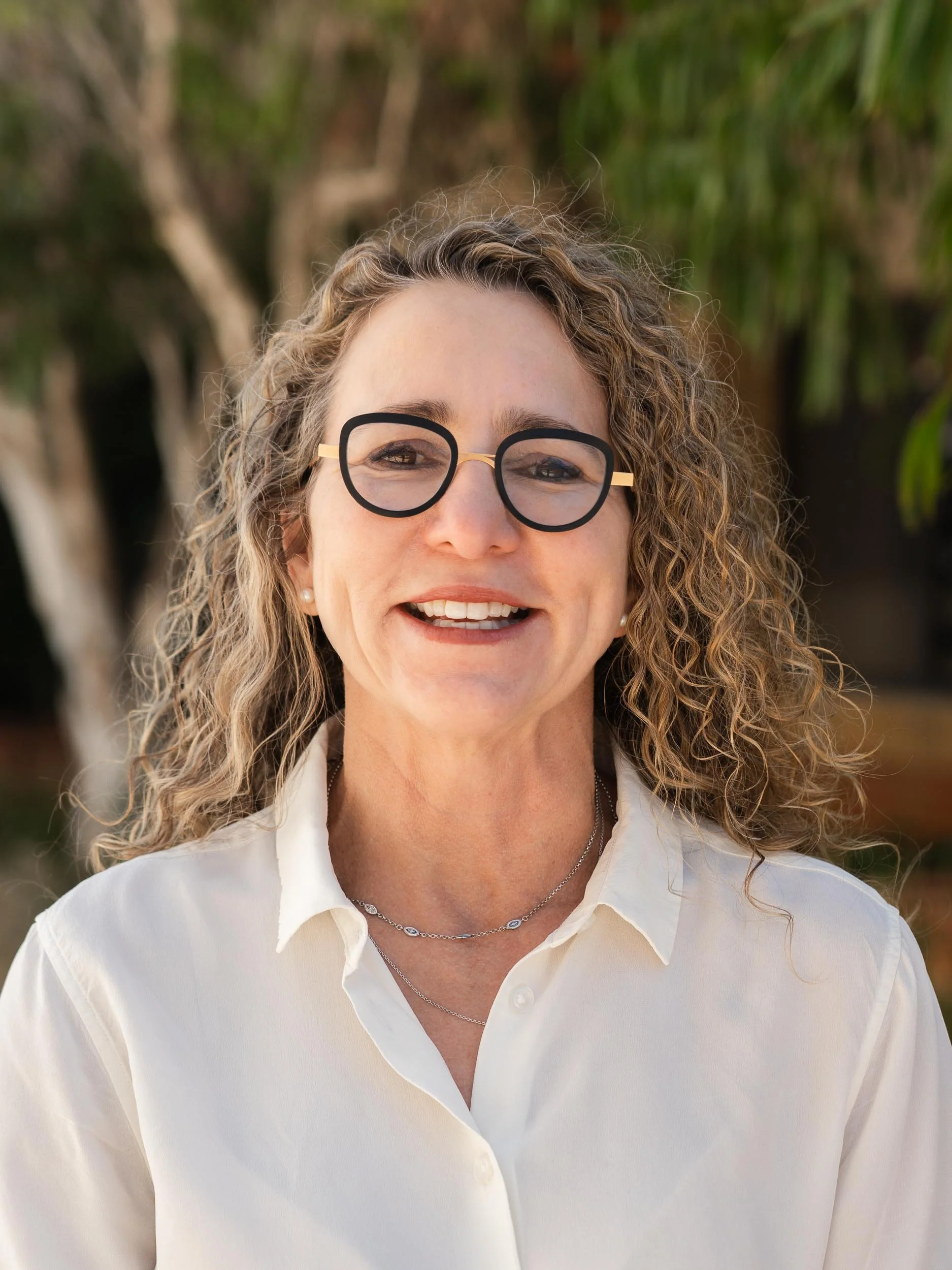
Beyond clinical work, I’m a sought-after speaker and educator for health professionals, corporate wellbeing programs and community groups. I love transforming awkward or taboo topics into accessible, meaningful conversations that improve patient outcomes, relationships and quality of life.
I’m also the host and co-founder of The Penis Project Podcast, a global platform sharing lived experiences and evidence-based insights to help people feel less alone and more empowered.
My mission is to break down shame, normalise sexual wellbeing as a fundamental part of health and provide practical, compassionate pathways to recovery and connection.
“Over the years, I’ve helped over 15,000 men tackle a wide range of challenges, from prostate cancer recovery and erectile dysfunction to premature ejaculation and Peyronie’s disease.
Along the way, I’ve been a lecturer and associate professor, hosted a successful podcast, spoken at numerous events, developed a natural treatment for lice (a story for another time!), and have been featured in the media.
Now, I’m here to help you.”
— Melissa Hadley Barrett
My path into men’s sexual health has been shaped by extensive training, specialist postgraduate qualifications and more than two decades of clinical experience supporting individuals, couples and communities.
Qualifications & Expertise
Formal Qualifications
Bachelor of Applied Science - Registered Nurse
Graduate Diploma of Midwifery
Graduate Certificate in Diabetes
Master of Nursing - Nurse Practitioner
Postgraduate qualification in Sexology
As a Nurse Practitioner, I am trained to diagnose and treat a wide range of physical health conditions. As a sexologist, I bring a deep understanding of the psychological, relational and emotional factors that influence sexual wellbeing. This combination allows me to provide holistic, evidence-based care that addresses the whole person - not just the symptoms.
My specialist area has always been tied to the reason I became a sexologist in the first place: helping men restore sexual function after prostate cancer treatment and improving their sexual health, confidence and quality of life.
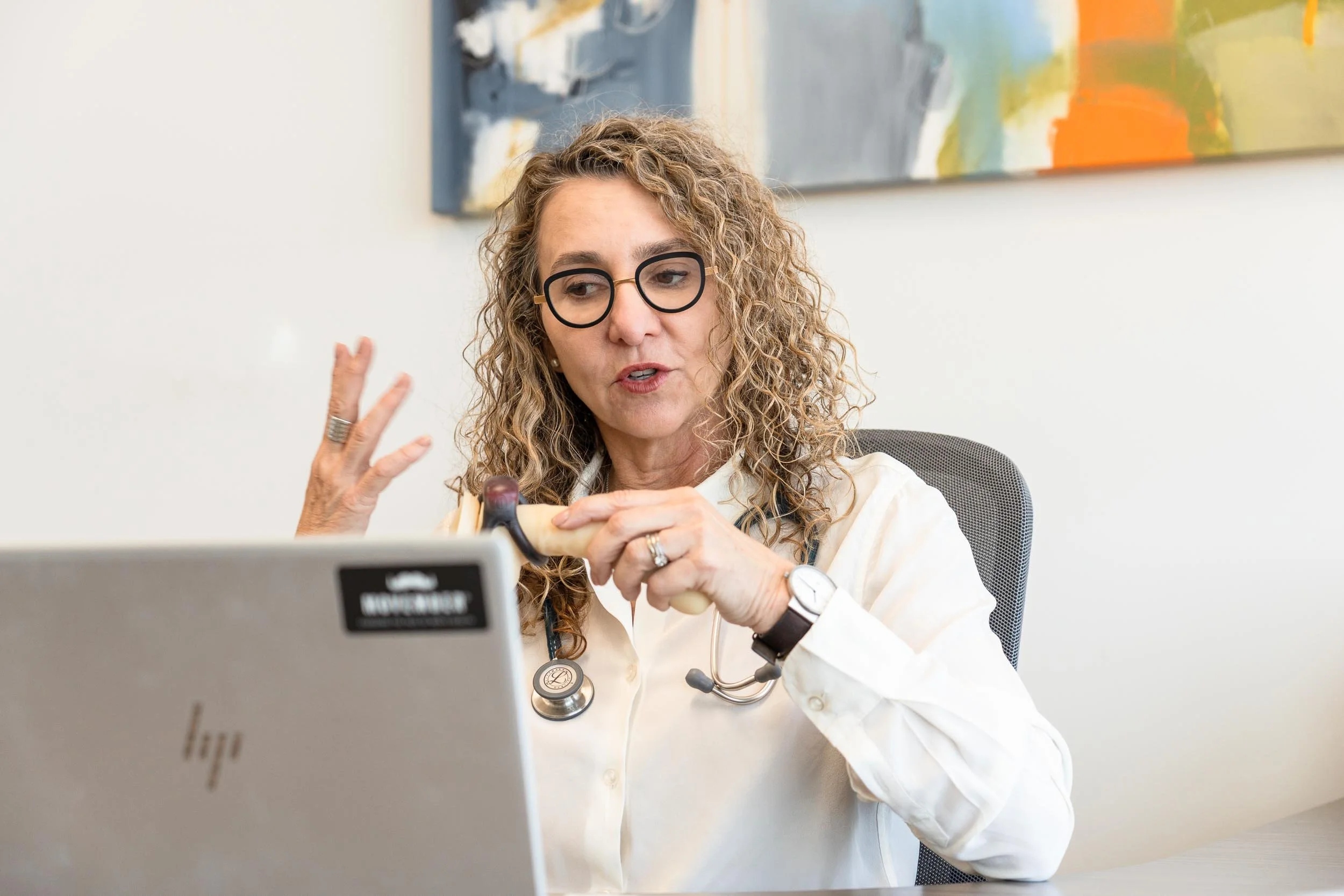
Over the years, I founded the Restorative Health Clinic in Western Australia and have devoted my career to dismantling stigma and promoting open, honest conversations about sexual health.
I’ve been honoured to contribute to internationally recognised publications, including:
TrueNTH International Guidelines for Sexual Health Care in Prostate Cancer Survivorship by the University of Michigan
The Health Professionals Guide to Delivering Psychological Care for Men with Prostate Cancer (2021) by Suzanne Chambers, Nicole Henneka and Jeff Dunn
These opportunities reflect my commitment to advancing care for men’s sexual health and ensuring clinicians worldwide have access to accurate, compassionate guidance.
Let’s talk about sex, baby.
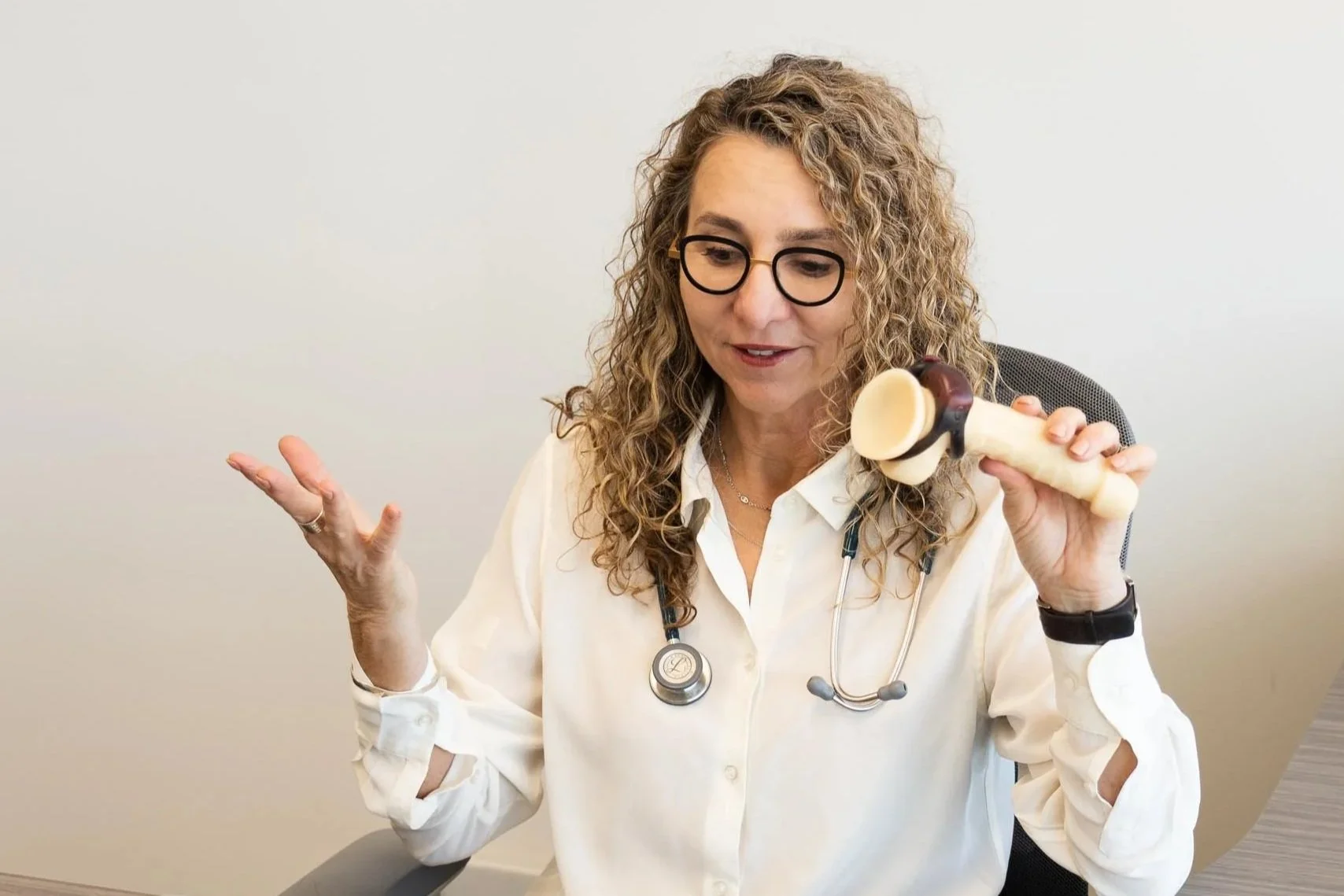
Sex is everywhere - in music, film, jokes, advertising and whispered conversations.
Yet when it comes to discussing our own sexual wellbeing, even with someone we love, most people shut down.
We avoid the topic out of embarrassment, fear or a belief that we “should” already know the answers.
A sexologist helps bridge that gap.
So, what is a sexologist?
A sexologist is someone who studies the science of sex - the biology, psychology, emotions and behaviours that shape how we experience intimacy. We help people understand their sexual health, identify their goals, and develop the knowledge, tools and confidence to achieve them.
Sexologists come from a range of professional backgrounds - psychology, medicine, nursing, social work - before completing postgraduate training in sexology. My own path is anchored in decades of medical experience, allowing me to integrate physical factors with the psychological and relational elements that are often just as important.
Sex isn’t “just physical.”
It’s emotional, relational, cultural and deeply personal. And when something isn’t quite right, it affects far more than what happens in the bedroom.
My work is about helping people reclaim connection - with themselves, with their partners and with the parts of their identity that may have been tucked away out of fear or shame.
Why I Became a Sexologist
Why I Became a Sexologist
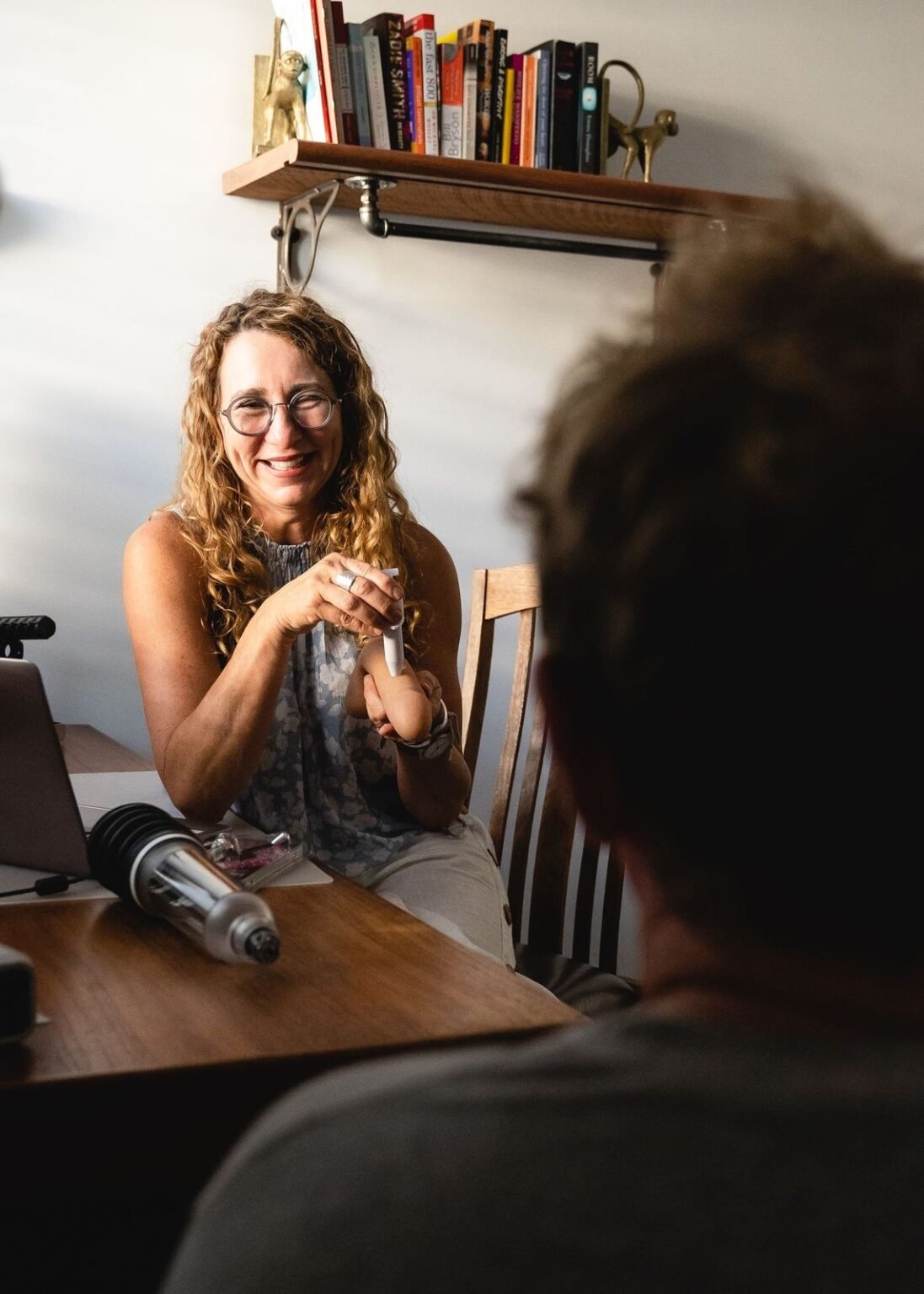
I realised how many people carry unspoken worries around sex, intimacy and identity. How often these concerns are dismissed, minimised or ignored. And how life-changing it can be when someone finally feels safe enough to talk about them.
That moment lit the path I’ve walked ever since.
It’s funny where life can take you, if you let it.
Most of us have moments where something just clicks - a sense that you’ve stumbled into the work you were always meant to do. I never set out to become a sexologist, but once I found myself on this path, everything began to fall into place.
I began my career as a Midwife and Remote Area Nurse - and in Australia, “remote” really means remote. I spent part of my early professional life on the Abrolhos Islands, a stunning but isolated chain of islands 80 kilometres off the coast of Western Australia.
Being the only healthcare professional on the islands was a privilege. It taught me how to listen deeply, to understand people’s lives in all their complexity, and to see how intimately physical health is tied to emotional wellbeing, relationships, culture, identity and circumstance.
Back on the mainland, I continued my studies, eventually becoming a Nurse Practitioner and working across hospitals, clinics and community settings. And then, one day, a woman walked into my consulting room with a sexual health concern - a conversation may people fear, avoid or silence - and it changed the course of my career.
And now, here you are reading about some strange Australian sexologist…
Perhaps because you have concerns and you’re trying to find a few answers yourself. Well, if I could offer a word of advice, all I would say is ‘go with it’, see where you end up.
I always wanted to help other people, but I had no idea I’d end up helping them in this way, and none of it would have happened without following my instinct and curiosity.
So, good luck, follow your gut, and all the best in the meantime.
Melissa
“Oh, by the way, we had a 90-year-old man in our clinic the other day who is having sex three times a week - so you’re never too old, I can assure you.”
Havelock Ellis
“Sex lies at the root of life, and we can never learn to reverence life until we know how to understand sex.”
If you’re going to write about men’s sexual health, recovering from prostate cancer, erectile or sexual dysfunction then I’m happy to give you a hand.
I can either point you in the right direction for the information you need, or if you want, contribute to an article or TV segment with an interview or a comment or two.
The more we can get the right information out there, the better.
Let’s lift the veil on all of this, and if we can’t quite normalise the conversation around sex, let’s at least normalise asking your health professional for some help in that regard.
Melissa in the Media